

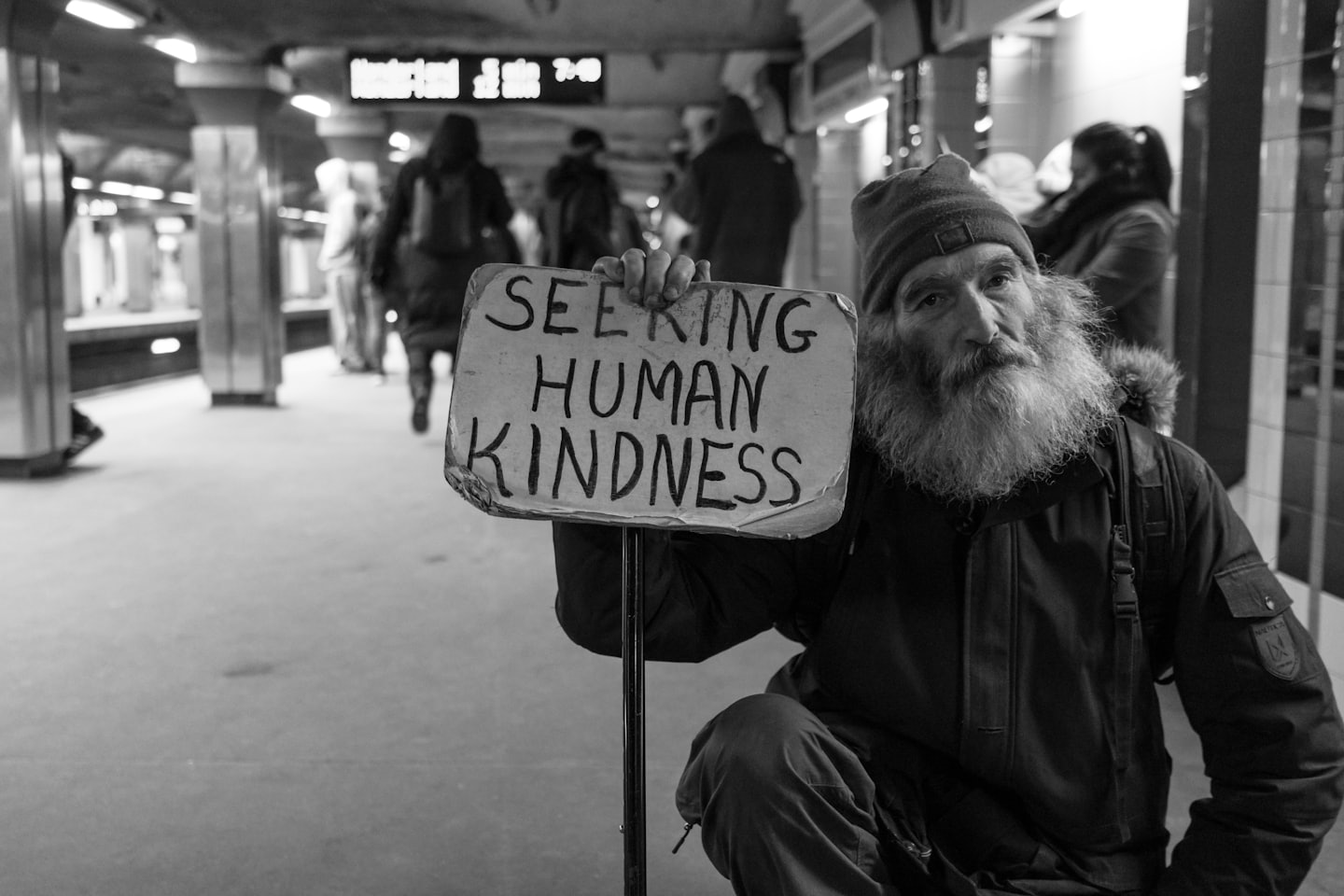
Many people experiencing homelessness have lived through repeated trauma: violence, loss, coercion, long-term instability, and chronic stress. Traditional service settings can unintentionally recreate feelings of threat and powerlessness. Trauma-Informed Care (TIC) and Psychologically Informed Environments (PIE) offer a framework for providing services to traumatised individuals, including those affected by homelessness and severe distress.
What TIC and PIE can change (day-to-day)
A trauma-informed and psychologically informed service is not “softer rules.” It is clearer, safer and more consistent practice, where staff understand how trauma shapes behaviour and engagement. In homelessness services, this can mean:
- reducing avoidable triggers in the environment and routines,
- improving relational consistency (who supports whom, and how),
- strengthening de-escalation skills,
- building pathways that don’t depend on “perfect compliance.”
Staff care is part of trauma-informed work
TIC and PIE require protected time for reflection and learning. SMES-Europa has shared training and exchange materials that connect trauma-informed principles with staff training and care, recognising the emotional load on frontline teams.
A practical next step for services
If your team wants to start small, try one focused improvement for the next 30 days:
- review your “hot moments” (conflict points) and identify 2–3 environmental or procedural changes,
- introduce a short weekly reflective huddle,
- adjust intake to prioritise safety and clarity, not only paperwork.

Leave a Reply